
Statutory obligations, clearly understood.
AS/NZS 3788AS 4343WHS Regulations
Pressure vessels are registered plant under Australian work health and safety legislation. Owners are required to maintain registration, keep records current and have vessels inspected at the intervals appropriate to their hazard level under AS 4343 — before a vessel can legally return to service after repair, alteration or relocation.
Dunstan Asset Integrity carries out commissioning, recommissioning and periodic in-service inspections that satisfy these statutory requirements, with reporting structured so that compliance status, findings and required actions are unambiguous.
Compliance framework
Hazard level assessment to AS 4343
Inspection interval determination to AS/NZS 3788
Commissioning and recommissioning inspections
Registration and statutory documentation support
Repair and alteration return-to-service inspection
What a pressure vessel inspection covers.
Internal & ExternalThickness SurveyDamage Mechanisms
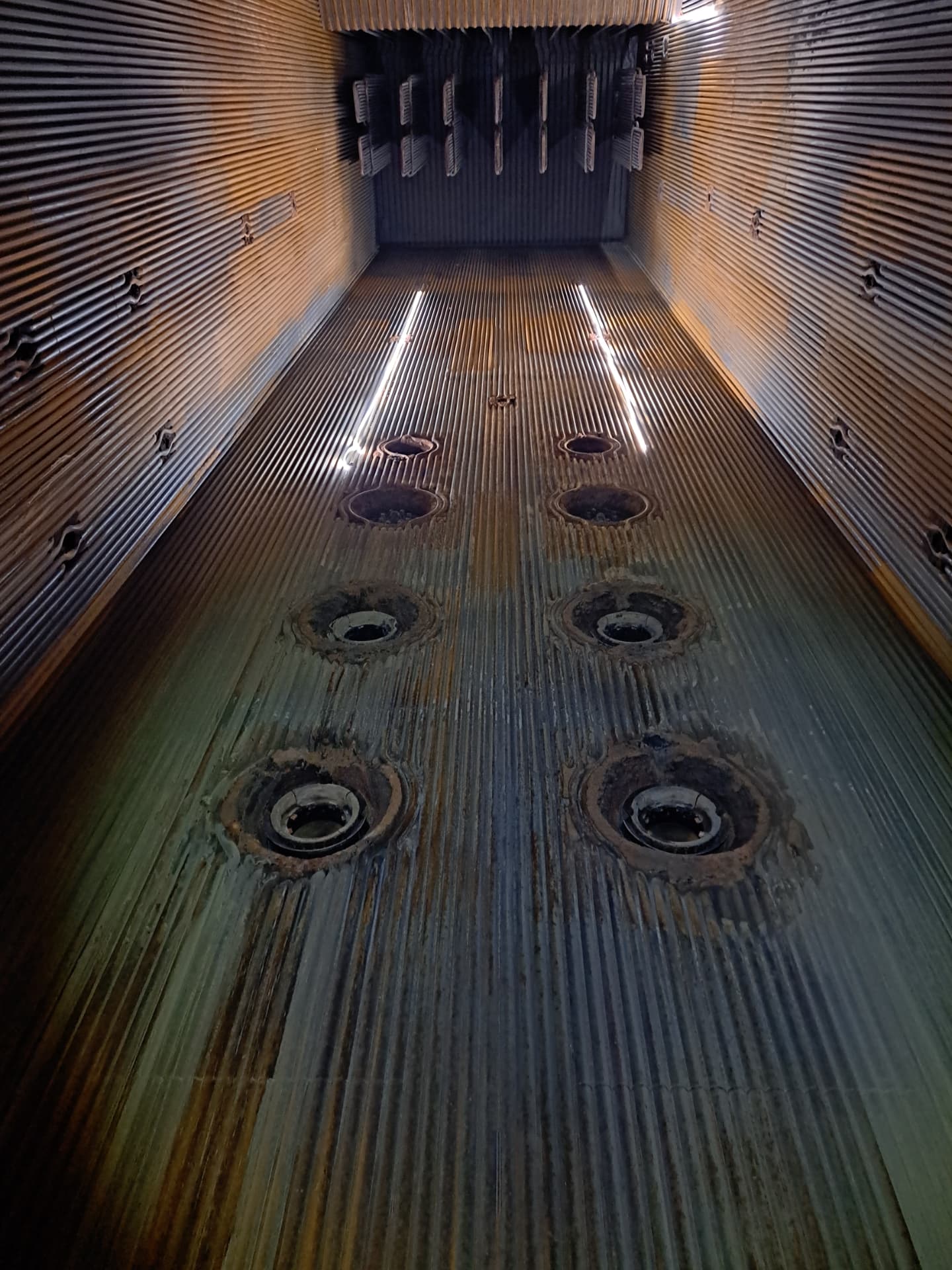
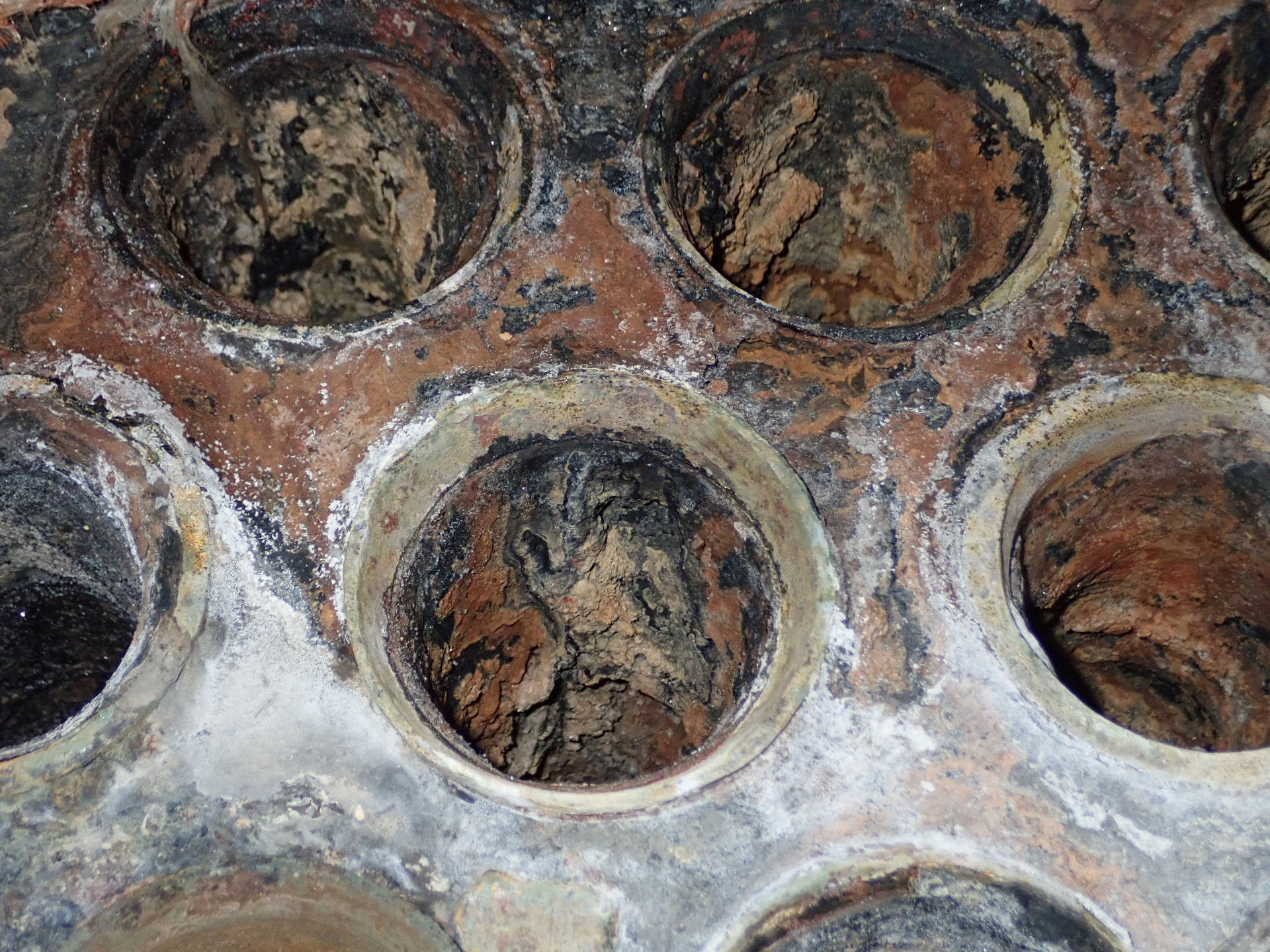
Each inspection is planned around the vessel — its materials, service conditions and credible damage mechanisms — rather than a generic checklist. Internal and external examinations are combined with condition assessment techniques suited to the equipment.
Findings are reported with clear condition statements, photographic records and defensible recommendations for repair, continued operation or interval adjustment.
The engagement typically includes
Internal and external visual examination
Wall thickness measurement and corrosion assessment
Damage mechanism identification
Review of design, fabrication and repair records
Assessment of repairs, alterations and modifications
Condition report with statutory compliance statement
Equipment covered.
Inspection experience spans the pressure equipment found across mining, manufacturing, energy and heavy industry — from small air receivers through to large process vessels and boiler plant.
Typical equipment
Pressure vessels and process vessels
Air receivers and accumulators
Heat exchangers and tube bundles
Boilers and fired equipment
Pressure piping systems
Filters, separators and autoclaves
One inspector. One accountable opinion.
AICIP22+ YearsIndependent
Every inspection is personally undertaken by Katie Dunstan — a Senior AICIP In-Service Inspector with more than 22 years across fabrication, NDT, statutory inspection, shutdown execution and asset integrity, including senior technical roles with Rio Tinto, ALS Industrial, Bureau Veritas and PVI.
There are no junior inspectors, no account managers and no handovers. The person who examines the vessel is the person who signs the report and stands behind every recommendation in it.
Enquiries
Describe the vessel. Katie will scope the inspection.
Share the equipment type, hazard level, service conditions and inspection history.
You'll hear back from Katie personally within one business day.